Find the right part for your vehicle
Add your vehicle and shop with confidence
Sprockets

- super price
From
$8.49
Originally: $19.99
ProX Front Sprocket

- super price
From
$3.49
Originally: $29.99
Twenty Front Sprockets
From
$7.99
Originally: $19.99
ProX Front Sprocket

- super price
From
$5.49
Originally: $39.99
Twenty Lightweight Front Sprocket

$7.65
Originally: $9.99
ProX Sprocket Bolts 6-Pack

$7.99
Originally: $14.99
Twenty 6-Pack Sprocket Bolts Silver

- super price
From
$27.99
Originally: $59.99
ProX Rear Sprocket Aluminium

From
$8.99
Originally: $19.99
ProX Front Sprocket

$9.99
Twenty Sprocket Bolts 6-pcs

- super price
From
$3.99
Originally: $21.99
JT Front Sprocket

From
$35.99
Originally: $49.99
ProX Ultralight Steel Rear Sprocket

$11.99
BOLT Sprocket BOLTs
From
$10.99
Originally: $65.99
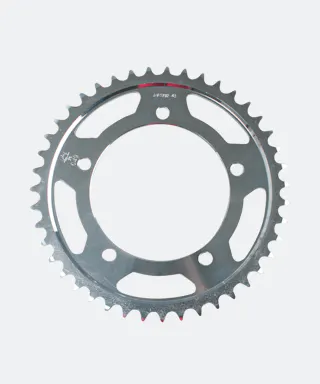
JT rear sprocket

From
$6.99
Originally: $19.99
Racing JT 520 Conversion Front Sprocket

- super price
From
$10.99
Originally: $34.99
Renthal Grooved 520 Front Sprocket

- super price
From
$10.99
Originally: $41.99
Renthal Standard 520 Front Sprocket
- super price
From
$3.15
Originally: $34.99
JT Front Sprocket

- super price
From
$28.99
Originally: $82.99
Renthal Ultralight Rear Sprocket Gold
- super price
From
$30.99
Originally: $79.99
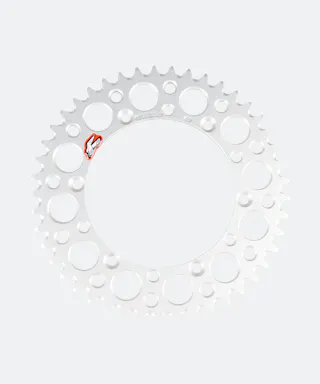
Renthal Ultralight Rear Sprocket Silver
- super price
From
$25.95
Originally: $89.99
Renthal Ultralight Rear Sprocket Gold
- super price
From
$3.65
Originally: $27.99
JT Front Sprocket

- super price
From
$44.99
Originally: $69.99
Renthal Ultralight Rear Sprocket Blue

From
$40.99
Originally: $75.99
Renthal Ultralight Rear Sprocket Red

- super price
From
$8.35
Originally: $49.99
Renthal Ultralight Front Sprocket
- super price
From
$9.99
Originally: $34.99
Renthal Grooved 520 Front Sprocket

- super price
From
$34.99
Originally: $79.99
Renthal Ultralight Rear Sprocket Orange
- super price
From
$14.99
Originally: $41.99
Renthal Standard 525 Front Sprocket
- super price
From
$12.99
Originally: $31.99
Renthal Grooved 420 Front Sprocket
From
$36.99
Originally: $57.99
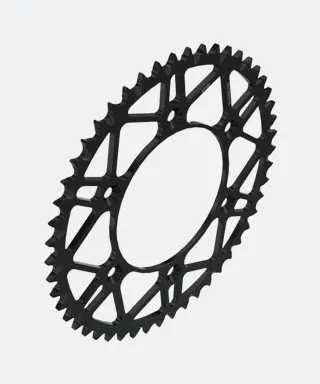
AFAM SLK Rear Sprocket Black Edition
- super price
From
$13.65
Originally: $27.99
Renthal Grooved 428 Front Sprocket

- super price
$209.99
Originally: $414.99
Renthal Rear Chainwheel Carrier
From
$65.99
Originally: $131.99
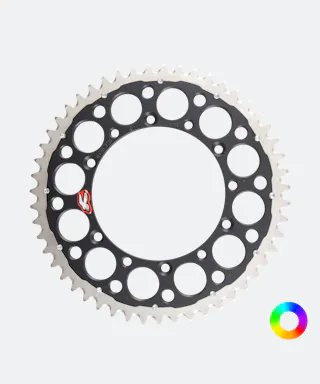
Renthal Twinring Rear Sprocket

$71.99
Originally: $89.99
Drive Adapter

- super price
From
$32.99
Originally: $74.99
Renthal Ultralight Rear Sprocket Green

- super price
From
$2.49
Originally: $44.99
Snell Rear Sprocket

- super price
From
$7.99
Originally: $47.99
Snell Sprocket Black

From
$35.99
Originally: $49.99
ProX Steel Rear Sprocket
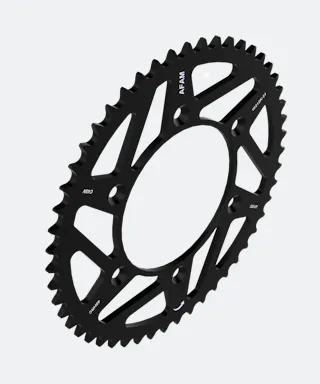
From
$30.99
Originally: $45.99
AFAM HDK Rear Sprocket Black Edition
- super price
From
$17.99
Originally: $55.99
JT rear sprocket
- super price
From
$3.99
Originally: $32.99
JT Front Sprocket
FAQ's
FAQ's
The Hard Knock Life of the Front Sprocket
The pistons, conrods and crankshaft inside your motorcycle's engine thrash around thousands of times every minute. All that energy gets transferred to the gearbox output shaft and the engine's entire power output is dependent on a small steel sprocket. The job of the front sprocket is vital, so the need to keep it in top condition is even more so. Not always an easy job, as the sprocket often lives behind a recessed cover with at least three securing bolts. Sometimes there may even be a footrest or gear lever in the way. The good news is, though, the front sprocket is a lot more hardwearing than the rear. Even so, it is advisable to pull the cover every second time you adjust your chain. This habit is a good one to adopt. It ensures the teeth are in good condition and that the area is free of any gunge, including chain lube and road dirt.
Sprocket Material
Most front sprockets are steel with varying percentages of carbon. These percentages depend on the durability required and for durability, read price. Budget Original Equipment Manufacturer (OEM) replacements use basic steel. However, high-end sprockets often opt for nickel chrome molybdenum alloy steel as this provides the right combination of hardness and durability.
Sprocket Patterns
When scrolling through the extensive selection of front sprockets on the XLMOTO site, you will notice that while some sprockets are plain, others have a lot more machining or patterns. While a plain-sided sprocket will do the same job as the OEM part, some manufacturers add patterns to enhance performance. For example, semi-circular grooves on the base of each tooth are there to prevent a dirt build-up. Symmetrical designs on the front sprocket, restricted to circular holes, save weight and reduce rotating mass.
Checking for Wear
As tough as steel is, over time, wear will take place, especially when a roller chain is hammering it with every ride. So with the cover removed, clean off the sprocket. Then inspect the outer edges of the teeth. If the teeth are pointy, noticeably thinner or hooked, it's time for a replacement. Ignore this and the next step is chipped teeth. These can lead to chain slip and significant damage.
Increase the Number of Teeth
Sprocket inspection isn't all about maintenance. You may be looking at altering the number of teeth to tweak your motorcycle’s performance. Changing the number of teeth or even the chain's pitch is simple. Better still, it’s one of the most cost-effective ways of altering power output. Going up one tooth on the front sprocket will provide a higher speed in top gear for the same amount of revs. The payback is a slight reduction in acceleration.
Decrease the Number of Teeth
According to Newton's Third Law of Motion, “every action has an equal and opposite reaction,” and so it is with front sprocket teeth. Decrease the number of teeth by one and the sprocket is, in effect, rotating faster, meaning the bike will accelerate faster. The downside is that you'll need to change gear more often and there will be a reduction in top speed.
Front Sprocket Replacement: Be Prepared
Due to the incredible forces endured by the front sprocket, motorcycle manufacturers go to great lengths to make sure they stay in place. So you may find lock washers, tab washers, recessed circlips, extra retaining brackets or a combination of them all. When replacing a sprocket, you will need a torque wrench for the correct tightening procedure. If you are doing this for the first time, read all you can and look for YouTube videos. Find tutorials that relate to your specific make and model of motorcycle. Doing this is the best way to prepare all the tools you need for the job and give you tips on how to secure the back wheel.
Very Important Safety Information
Whenever working on your motorcycle chain or sprockets, always turn off the ignition and remove the key. When checking the sprocket teeth, use your hands to rotate the wheel on the outer perimeter of the tyre.
Along for the Ride - All you Need to Know about Rear Sprockets
It’s easy to think of your motorcycle’s sprockets as a pair. Yet, they play very different roles and are subject to different stresses. The main difference between the front and rear sprockets is that the front is driven and is directly attached to the gearbox output shaft. Meanwhile, the rear sprocket owes its movement to the chain. The front sprocket attached to the gearbox shaft has little movement other than regular rotation. The rear sprocket is approximately half a meter away and connected via a chain. Any play in the chain accelerates wear, which is why the rear sprocket wears faster than the front.
Steel Rear Sprocket
Various grades of carbon steel are the most common material used for rear sprockets. Although this is the heaviest option, it is also the most cost-effective. Carbon steel also offers a good compromise between strength and durability. Also, it is easy to machine.
Aluminium Rear Sprocket
If you want to rid your motorcycle of every gram of excess weight, an aluminium rear sprocket is the way to go. These types of sprockets are well over 50% lighter than steel. The downside is a slightly faster wear rate. However, top-shelf aircraft-grade aluminium such as 7075 T6 is almost as hard-wearing as steel.
Combination Rear Sprocket
The combo sprocket, more often known as a twinring or interlink, is a rear sprocket comprised of two pieces. The outer toothed element is steel. The inner carrier is aluminium. This type of rear sprocket offers a great combination of steel teeth for durability, with the aluminium inner ring offering impressive weight-saving.
Inspecting for Wear
As the rear sprocket is exposed, it’s possible to carry out regular inspections. Regardless of the sprocket’s composition, wear patterns tend to be the same. Signs to look out for include pointed, sharp or hooked teeth and in extreme cases, chipped teeth. Any of these signs of wear mean it’s time to buy a new sprocket and depending on the severity, maybe a new chain. Take care when adjusting the drive chain. A misaligned chain will cause a considerable acceleration of sprocket wear.
Adding Teeth to the Rear Sprocket
Increasing the size of the rear sprocket by three or four teeth will provide faster acceleration and more rapid throttle response. It will, however, lower your top speed and increase the frequency of gear changes. While this may have limited use on the road, altering the gearing is beneficial and cost-effective for track day riders. The final consideration to adding more teeth to the rear sprocket is the likelihood of needing a longer chain.
Reducing Teeth on the Rear Sprocket
Dropping down three or four teeth will have the opposite effect: slower acceleration and a higher top speed. When changing to a smaller rear sprocket, if the drive chain is in good enough condition to keep, you may have to remove a link to reduce the length.