Open Face Helmets

$127.95
Originally: $139.99
Airoh Kombakt Open Face Helmet
- +6

From
$121.95
Originally: $139.99
Airoh Kombakt Open Face Helmet
- +6
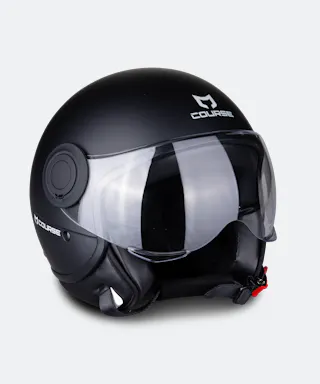
$32.99
Originally: $66.99
Course Free Open Face Helmet

From
$44.99
Originally: $94.99
Course Urban Open Face Helmet
- +1

$48.99
Originally: $94.99
Course Urban Open Face Helmet
- +1

$32.99
Originally: $66.99
Course Free Open Face Helmet

From
$31.99
Originally: $114.99
Ride&Sons Freedom Open Face Helmet

From
$44.99
Originally: $94.99
Course Urban Open Face Helmet
- +1

From
$50.99
Originally: $57.99
SMK Laminar Open Face Helmet

From
$62.99
Originally: $94.99
Acerbis Jet Aria Open Helmet
- +8

$89.99
Originally: $99.99
LS2 OF599 Spitfire II Open Helmet
- +2

$103.99
Originally: $114.99
LS2 OF599 Spitfire II Open Helmet
- +2

From
$71.95
Originally: $94.99
Acerbis Jet Aria Open Helmet
- +8
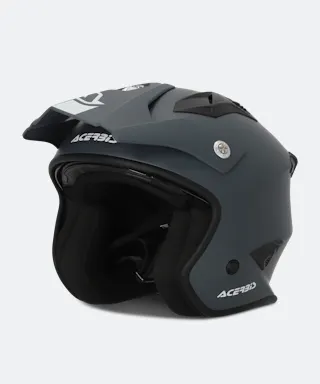
From
$78.99
Originally: $94.99
Acerbis Jet Aria Open Helmet
- +8

$121.95
Originally: $139.99
Airoh Kombakt Open Face Helmet
- +6

- super price
From
$31.99
Originally: $114.99
Ride&Sons Freedom Open Face Helmet

From
$59.99
Originally: $94.99
Acerbis Jet Aria Open Helmet
- +8

From
$68.99
Originally: $85.99
O'Neal Volt Solid Open Face Helmet
- +3
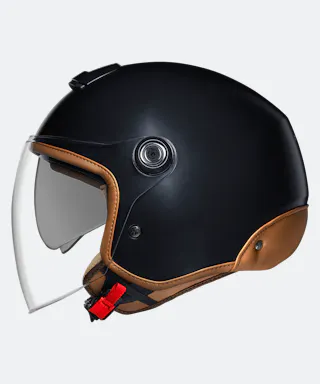
$145.99
Originally: $152.99
Nexx Y.10 Open Face Helmet Sunny MT Camel

$35.99
Originally: $114.99
Ride&Sons Freedom Open Face Helmet

From
$113.99
Originally: $152.99
LS2 OF606 DRIFTER Open Helmet
- +5

- super price
From
$133.99
Originally: $187.99
Shark Skwal Jet Open Face Helmet
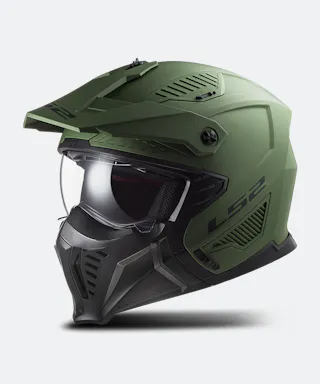
$121.99
Originally: $134.99
LS2 OF606 DRIFTER Open Helmet
- +5

From
$171.99
Originally: $216.99
Shark SKWAL Open Face Helmet

$56.95
Originally: $57.99
SMK Laminar Open Face Helmet

From
$107.99
Originally: $134.99
LS2 OF606 DRIFTER Open Helmet
- +5

From
$69.99
Originally: $85.99
O'Neal Volt Solid Open Face Helmet
- +3

$121.95
Originally: $139.99
Airoh Kombakt Open Face Helmet
- +6

$121.99
Originally: $134.99
LS2 OF606 DRIFTER Open Helmet
- +5
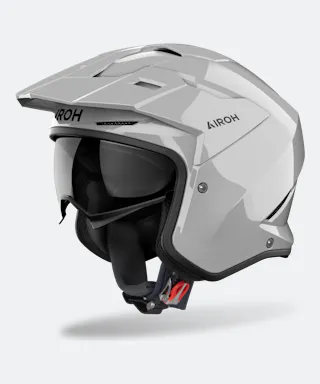
$128.95
Originally: $139.99
Airoh Kombakt Open Face Helmet
- +6

From
$71.99
Originally: $99.99
Acerbis Jet Aria Metallic Open Face Helmet
- +1

From
$77.95
Originally: $85.99
O'Neal Volt Solid Open Face Helmet
- +3

From
$160.99
Originally: $179.99
Bell Custom 500 Open Face Helmet

$128.95
Originally: $139.99
Airoh Kombakt Open Face Helmet
- +6
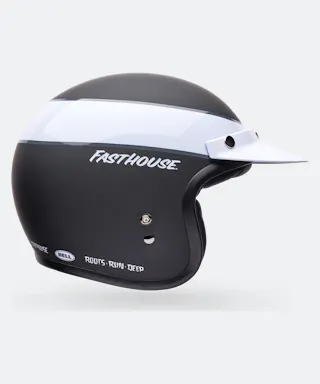
$178.99
Originally: $189.99
BELL Custom 500 Fasthouse Open Face Helmet
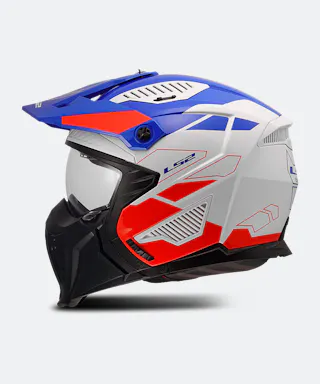
$136.99
Originally: $151.99
LS2 OF606 Drifter Trek Open Face Helmet

From
$67.99
Originally: $84.99
LS2 OF616 Airflow II Open Helmet
- +6

From
$51.99
Originally: $57.99
SMK Laminar Open Face Helmet

$76.99
Originally: $84.99
LS2 OF622 Funny II Youth Open Face Helmet
- +1

From
$170.99
Originally: $189.99
HJC V31 Open Helmet

FAQ's
Go Face to Face with an Open Face Helmet from XLMOTO
The first open-face helmet made its appearance at the Brooklands racetrack in Great Britain in 1914. The racetrack's medical officer Dr. Eric Gardener became so alarmed at the number of head injuries continually sustained by riders that he invented a basin-style helmet made from varnished canvas. Yet we would need to wait for almost 50-years for the next evolutionary step in motorcycle helmet development. Then, finally, it came thanks to a Californian professor responsible for developing an impact-absorbing helmet. Roy Richter of Bell helmets picked up on the idea resulting in the 1954 Bell 500, the first jet-style open face helmet. Since then, we've come a long way. Modern manufacturing techniques and high-tech materials have revolutionised the open-face motorcycle helmet. Why do motorcyclists continue wearing open-face helmets when there are full-face options available? Also, what materials feature in the manufacture of open face helmets today?
Reasons for Wearing an Open Face Helmet
The main reason is comfort. Many riders feel confined and in some cases, claustrophobic, when wearing a full-face helmet. Meanwhile, a jet-style motorcycle helmet places no physical obstacles in the rider's vision. What's more, this design provides a far stronger feeling of being open to the elements. The flip side to this aspect of the helmet is that you are indeed open to the elements. Thankfully, most open-face motorcycle helmets feature an integral drop-down visor, so weather protection is no longer a paramount concern. Weight also comes into play. The extra weight of a full-face or flip-up helmet can impact rider fatigue. Finally, one of the essential features of an open face is that it provides an unrestricted view and gives broad peripheral vision.
Open Face Helmet Materials
Polycarbonate: It is possible to injection mold this type of thermoplastic. This process helps keep production costs low. It also allows for adding many features to the helmet design. On the downside, polycarbonate helmets are heavy in comparison to other materials.
Fiberglass: Before polycarbonate came into play, all motorcycle helmets were fibreglass. This material has impressive crash resistance and is quite lightweight.
Composite: Aramid fibres are, like for like, stronger than steel. Moreover, when combined with fiberglass, they give an open-face helmet excellent crash resistance. Plus, of course, good weight savings.
Carbon Fibre: Woven carbon fibre threads provide incredible strength and ultimate weight savings. Carbon open face helmets remain the gold standard for safety.
Features to look for in an Open Face Helmet
If weight is an issue, use the XLMOTO drop-down 'product material' filter. You can search for carbon, composite or fibreglass open-face helmet options here. Pull-down visors are also a practical addition to any open-face helmet. If the visor features an integral sun visor, even better. A removable, washable comfort liner will prevent the build-up of bacteria. At the same time, exhaust and chimney vents will keep the air flowing inside the helmet. Some riders have a preference as to how their motorcycle helmet fastens under the chin. In which case, look for D-ring or a quick release ratchet system. If you enjoy hearing a soundtrack while riding, make sure your helmet choice has built-in ear pockets for an intercom system. If the open face helmet is intercom-ready, the specifications should state its own brand or third-party intercom compatibility. Finally, safety certification is vital. If you see the reference, ECE 22.05, this is the top European safety award. Furthermore, the Department of Transport (DOT) certification alone is unacceptable in most European countries. Therefore, the helmet must always also have an ECE certificate.