09 May 2025 • 5m read
The ultimate guide to a Motorcycle oil change

A motorcycle oil change can be a simple enough process, but it’s also a very important part of keeping your motorcycle running at optimum performance for longer. Ensuring your motorcycle has clean oil - and the right type of oil - extends engine and transmission life by reducing the friction, heat and sound caused by moving parts.



Whether you’re a brand-new or experienced rider, the XLMOTO Ultimate Guide to Motorcycle Oil Change will take you through every step of an oil change, along with answers to all the most important questions about oil for motorcycles.
Here are some key points to remember:
The process of changing oil is almost identical for most modern street, track and dual-sport motorcycles.
There are three types of motorcycle oil: mineral, semi-synthetic and fully synthetic. Each has different properties that you should consider before choosing.
Only use dedicated motorcycle oil - never use car, marine or diesel oils.
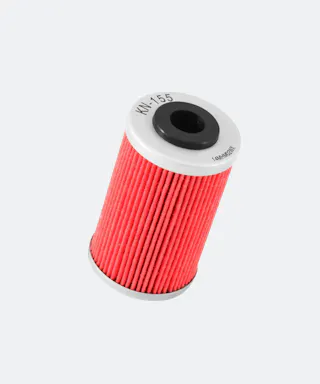
Change the oil filter with every oil change.
Always, always read the manufacturer’s owner’s manual before buying and using motorcycle oil - we will remind you of this a lot!
We’ll cover all of these and more in detail in the rest of the guide as we talk you through the essential dos and don'ts of understanding motorcycle oil, how it works, what to use, and how to change it!
What Kind of Oil Does a Motorcycle Take?
A motorcycle engine has many moving parts that must be cooled, lubricated and protected when the engine is running in order to maintain efficient, reliable performance. Before you add just any oil to your motorcycle however, it is very important to know the types of motorcycle oil available. Always check the owner’s manual of your motorcycle before doing anything to the oil. The manual will indicate the type of oil recommended for your model, and it is highly recommended that you follow the manufacturer’s advice.
There are three types of motorcycle oil: mineral, semi-synthetic and fully synthetic.

Mineral oil is extracted from petroleum and is generally considered the most ‘basic’ type of motorcycle engine oil. Mineral oils are cheaper than synthetic oils and are recommended for small capacity motorcycles, meaning for overall lower costs! However, mineral oils don’t last as long as synthetic oils, but even with frequent changes, it is still an affordable option.

Semi-synthetic oil, like the name suggests, is a mixture of mineral-based and synthetic oils (at a maximum 30% synthetic) that can protect motorcycle engines at greater temperatures and load. Semi-synthetic oils are typically ideal for commuting and leisure motorcycles that require regular, reliable power output with less stress and load.

Fully synthetic oils are the best of the best motorcycle oils. Fully synthetic oils have all of their impurities removed, unlike mineral oils, and are further improved with additives that provide absolute optimum engine protection. A fully synthetic motorcycle oil is suitable for high-performance track and race motorcycles that have constant and extreme stress on the engine, giving maximum lubrication without breaking down as quickly as mineral or semi-synthetic oils.
Semi- and fully synthetic motorcycle oils offer the best all-round motorcycle engine protection at extreme temperatures, and have a lower oil burn off than mineral options. They provide an overall cleaner, more efficient, longer-lasting and more performance-focused oil for extracting the best from your motorcycle.
Always check the owner’s manual to find the correct grade of oil for your motorcycle.
What Do the Numbers on Motorcycle Oil Labels Mean?
When shopping around for motorcycle oil you’ll notice numbers like ‘5W-30’ or ‘10W40’ on the label. These numbers represent the oil’s viscosity at both cold and hot temperatures, which combined grade the motorcycle oil. The first number indicates the viscosity rating of the oil when used in colder temperature; the letter ‘W’ refers to ‘Winter’. Low viscosity oils starting with 0W or 5W for example are ideal for use in cold weather, as they will flow easily and offer optimal lubrication even in low operating temperatures.
The second number, ‘40 or ‘50’ for example, indicates the viscosity grade of the oil at normal engine operating temperature. The higher the number, the thicker the oil; the thicker the oil, the better the lubrication at hot, extreme temperatures. The most commonly used grades of motorcycle engine oils are 10W30, 10W40, and 20W40. 10W30 oil is particularly suitable for colder climates and use in the winter season, whereas 10W40 and 20W50 oil is more suited to general commuting or leisure use across a range of temperatures. Oils with higher viscosity grades are typically better suited to older engines with higher wear, while low viscosity oils are well suited to newer engines. As always, check the owner’s manual for manufacturer advice on the best type of oil to use for your motorcycle!
How Often Should You Change Motorcycle oil?
Whether your motorcycle is brand new out of the showroom or thousands of miles into ownership, there is nothing better for a healthy motorcycle than fresh, regularly changed oil. The manufacturer’s handbook should always be the first place you check for when to change motorcycle oil.
We’ve already talked about the types of motorcycle oil available, and as a rule of thumb for modern motorcycles, depending on the oil you use, aim to change it as below:
Mineral Oil: every 2,000 - 3,000 miles
Semi-Synthetic Oil: every 5,000 - 6,000 miles
Fully Synthetic Oil: every 7,000 - 10,000 miles
How Long Can Oil Sit in a Motorcycle?
Motorcycle oil can sit inside a motorcycle’s engine for a long time, however it is advised to use it within a year. The exact interval of oil lifespans and when to change is dependent on the oil and what type it is, the motorcycle itself, how it is used, and the conditions it is stored in. Like we showed you above, there are rule of thumb guidelines on when to change oil. Motorcycle manufacturers will recommend changing motorcycle oil roughly every 3,000 to 5,000 miles, but always remember to check the owner’s manual!
How Do You Know When Engine Oil needs Changing?
Checking your motorcycle oil should be a regular observation to ensure that your motorcycle engine is running at its peak. It’s important to know when to check oil, and more importantly to know when to change oil. There are a few key indicators to look out for that might require a motorcycle oil change. We’ll go into these in more detail in the next section, but they key questions to ask when checking if a motorcycle oil change is due are:
Oil level - is it too high or too low?
Oil colour - is it clear or dark?
Engine noises - are there loud, clanking noises from the engine?
Warning lights - are there lights on the dashboard indicating low oil pressure?
Important: Also note that when you change motorcycle oil, you will almost always need to change the oil filter too. A new filter will capture any contaminants from the oil such as metal particles, prevent corrosion within the engine and protect it from combustion, and neutralises any contaminants in the oil
How to Check Motorcycle Oil Level
Most modern motorcycles have an inspection glass on one side of the engine, located near the bottom. The glass will have marks on the top and bottom, and as a general rule the oil level should be at three-quarters full.
To check your motorcycle oil level, turn the engine on and let it reach normal operating temperature. Turn it off and wait a few minutes for the oil to drain into the sump. Check where the oil sits between the inspection glass marks; if it is above the top mark or below the bottom mark, it is critical that you either drain or add oil respectively.
As well as checking the oil level, the inspection glass also lets you check the oil condition:
Clean and healthy motorcycle oil should be semi-transparent with an amber colour.
Dirty oil that needs changing will be dark brown or black, usually with sludgy deposits.
Oil that is milky, or that has metal particles in it, is a sign of a coolant leak or other engine problems, and a mechanic should be consulted immediately.
If oil smells like petrol then you should also seek a mechanic
How to Check Motorcycle Oil With a Dipstick
If your motorcycle uses a dipstick for checking oil, the manufacturer’s handbook will advise you how to insert the dipstick for an accurate reading. In most cases however, the process is the same.
First locate the oil cap and remove it - the dipstick will be integrated with the cap - then wipe it clean so that you can clearly see the gauge marks. Wiping the oil will also let you inspect the condition of the oil as you would with an inspection glass. Make sure to check if the oil is amber, dark brown or black, milky, or has metal particles in it.
Check the owner’s manual first before reinserting the filler cap to check the level; some motorcycle dipsticks will need to be screwed back in fully, whereas others will only need inserting without being screwed in.
In either case, make sure that the dipstick is wet with oil, then check the level on the gauge marks. Around three-quarters of the full measurement is a good level of oil, and any more or less means oil needs to be drained or added as necessary.
Important: make sure your motorcycle is level when checking the inspection glass or dipstick, otherwise you will not get an accurate measurement. If your motorcycle has a side stand, hold it by the handlebar and seat, or if possible ask an extra pair of hands to hold the motorcycle.
How Much Oil Does a Motorcycle Take?
Whether you check motorcycle oil level and quality via an inspection glass or dipstick, putting the correct amount of oil in your motorcycle is crucial. Too little oil can cause terminal engine damage, while too much oil will cause high pressure and lead to its own issues and damage over time.
To find out how much oil your motorcycle requires, you will always find the answer in the bible of motorcycle ownership - the owner’s manual! Most modern motorcycles however will also tell you the oil capacity with a stamp on the engine casing. A stamp showing 2500ml on the casing for example means the engine holds 2.5 litres of oil.
Motorcycle engine oil capacity varies as much as motorcycles do, from 1 litre in a 150cc up to 4 litres in a 1200cc. Make sure to consult the owner’s manual before going any further with a top up or change.
What Happens If You Put Too Much Oil in Your Motorcycle?
Ensuring your motorcycle doesn’t have too much oil is just as important as ensuring it doesn’t have too little. Excessive oil in your motorcycle engine can create a number of mechanical issues that can be fatal to engine health. An excess of motorcycle oil increases pressure inside the engine, which can then force oil out of the engine and into other engine parts, such as the intake, and can also cause seal damage and oil leaks. Excess oil can also froth inside the crank at the bottom, which can reduce the ability of the oil pump to circulate oil around the engine. This in turn can lead to reduced lubrication of key engine components, then leading to increased wear and potential engine damage.
How Can You Tell If There Is Too Much Oil in Your Motorcycle?
Just like too little motorcycle oil can cause big problems, too much can similarly cause its own issues. Here’s what to look out for before taking steps to reduce the oil:
Oil leaks: oil may seep out of small gaps in the engine, especially with excessive engine pressure
Increased engine noises: oil that won't circulate properly within the confines of the engine can cause it to overheat, creating loud noises due to the loss of lubrication
Smoky exhaust: excess oil burns, usually displayed as white smoke from the exhaust.
Grimy spark plugs: too much oil can cause deposits of dark grime on the spark plugs, preventing proper sparking and causing misfires. Make sure to read the owner’s manual on how to check your motorcycle spark plugs
Visual marks on the inspection glass or dipstick: the clear markings on the glass or stick will indicate if there is too much oil in the engine
How Do You Reduce Excess Motorcycle oil?
To remove excess oil from your motorcycle, there are two main processes you can do:
Use an oil pump or syringe to carefully remove the oil through the filler hole.
Loosen the drain bolt in the sump to let out small amounts of oil until the correct level is reached. Be careful with this step to avoid removing too much oil. Important: you should always replace the rubber or copper drain bolt washer after loosening the bolt, because once it has been crushed when tightened, it will not be as strong if tightened multiple times.
What is the Difference Between Motorcycle Oil and Car Oil?
While motorcycle and car oil are both critical parts of keeping engines healthy, reliable and at peak performance, the engine oils used in each are formulated very differently to meet the requirements of each vehicle.
The first and biggest factor in differentiating motorcycle and car oil is size. A motorcycle engine is much smaller than a car engine, and as a result the sump that holds the motorcycle oil is also significantly smaller. Because of this small size, there is much less oil inside a motorcycle engine at any time than a car engine has, and in turn motorcycle oil is designed to run smoothly through the narrower architecture of the engine.
The biggest difference between motorcycle oil and car oil however is where the oil goes and what it has to protect, which is due to how motorcycle and car engines are designed. In a car the oil only protects the engine; other fluids, like transmission fluid, are used to keep the gearbox and clutch lubricated and running smoothly. In a motorcycle the engine and transmission share the sump, meaning that the oil not only has to protect and cool the engine, but also the clutch and gearbox.
Additionally, a motorcycle runs much hotter and at higher speeds than a car, and since there is less oil circulating around the engine to cool and lubricate parts that run so hot and so quickly, motorcycle oil has to work much harder and faster than car oil. The demands placed on motorcycle oil are why it is so important to know: when to change motorcycle oil; what kind of oil to use in your motorcycle; and how to change motorcycle oil.
The dual-purpose of motorcycle oil dictates a very different formulation to ensure it can do the job efficiently and reliably for thousands of miles. Modern cars also typically require lower viscosity engine oils that would not amply protect the components in a motorcycle, and these can contain friction additives which could cause slipping and acceleration loss in a motorcycle, amongst other mechanical problems. In summary, do not use car oil in your motorcycle!
What Happens If You Put Car Oil in a Motorcycle?
As explained above, motorcycle and car oil and very different products in what they are for, how they are made, and how they work. If your motorcycle needs an oil top up or change, do not use car oil instead of motorcycle oil! Here’s why:
Clutch issues: motorcycles have wet clutches (remember that the oil protects that engine and the transmission in motorcycles), and the various friction modifiers in car oils can cause wet clutches to slip, leading to damage and reduced performance.
Engine wear: the significantly higher speed and temperatures that motorcycle engines run at can negate any protective abilities of car oils, and using car oil that simply isn’t up to the job can increase wear and performance drop off.
Lubrication reduction: the oils used in car engines can break down much faster in the operating temperatures of a motorcycle engine, impacting both lubrication and protection.
Poor starting and running: using car oil instead of motorcycle oil means the oil is not viscous enough. Engine parts may not be sufficiently lubricated, leading to metal on metal contact that can hamper the starting of your engine, and over time can cause catastrophic damage.
How to Change Your Motorcycle Oil
You’ve done your research - you’ve read the owner’s manual (we hope), you’ve checked your motorcycle oil level and quality, and you’ve bought the very best motorcycle oil and oil filter for your pride and joy. You’re almost ready to perform a motorcycle oil change in nine simple steps! You can of course also take your motorcycle to a reliable mechanic or dealer for an oil change. They should be able to recommend a good oil and oil filter and will remove the process of changing them yourself (although that’s nowhere near as satisfying). Before you begin, you need a few basic but essential tools and supplies:
Equipment


If you’re a beginner at changing motorcycle oil, it can be helpful to change your oil when it is cold for the first time, to avoid burns from hot oil.

Make sure your work area is clean
Before taking bits off your motorcycle, check that your workspace is clean and free of dirt and other contaminants that could get inside the sump.

Get clear access to the drain plug and oil filter
Remove any parts like foot pegs or fairings that might block access to the filler cap (which can double as the dipstick on some motorcycles), drain plug and oil filter.

Drain the oil
Position the drain pan under the drain plug ready to catch the used oil as it drains. Remove the filler cap first, then remove the drain plug with a wrench. Let the old oil drain for 5-10 minutes until it has reduced to a trickle.

Remove the oil filter
While the old oil drains, remove the old oil filter. Some filters may unscrew by hand, but an oil filter wrench will make the job much easier. Use a clean rag to wipe down the area where the oil filter gasket meets the engine.

Install the new oil filter
Using your finger, apply some new oil to the filter gasket to lubricate it and create a good seal when it connects with the engine. For hand-tightening oil filters, screw the new filter clockwise until it is snug but still removable by hand. If you use a wrench, turn the filter a quarter-turn after making it hand-snug to secure. For cartridge-type oil filters, specific tools may be necessary to refit the oil-filter cover.

Reinstall the drain plug
Replace the drain plug gasket with a new one, either rubber or copper, if your drain plug has one. Screw the plug back in by hand until snug to lessen the risk of cross-threading it. If you encounter any resistance, remove it and try again. Finish tightening the drain plug with a torque wrench, if you have one, set to the manufacturer’s torque specifications. If you do not have a torque wrench, tighten the drain plug a quarter-turn from hand-tight with a box or socket wrench/spanner. Do not overtighten the plug, as it can damage the gasket and cause oil leaks.

Add new motorcycle oil
Hopefully you have the owner’s manual read cover to cover by now, and at hand to check how much oil is needed for your motorcycle! With the inspection glass or dipstick in sight, add 3/4 of the recommended amount of oil with a funnel. Check the oil level as normal, making sure the motorcycle is level. Continue to add the oil until the level is between the low and full lines on the glass or stick. Reinstall the filler cap.

Turn the engine on and check for leaks while it runs
Double check the oil level with the inspection glass or dipstick, adding or removing oil as necessary (remember the tip about using a pump or syringe to remove excess oil). You’re almost ready to ride again!

Dispose of the used oil and filter responsibly
The simplest way to store old motorcycle oil for disposal is to pour it from the drain pan into the new (and now empty) oil containers after filling the oil up. In any case, make sure that both the old oil and old oil filter are disposed of in accordance with the local council authority regulations.
Many motorcycle or car garages, recycling centres and waste disposal facilities will accept used oil, usually at no charge in order to recycle it safely.
Never pour old motorcycle oil down a drain, a sink, grass or running water. It is a pollutant and you will be fined if caught disposing of oil in an unsafe or irresponsible manner.
Congratulations - you’ve successfully changed your motorcycle oil! With practice, a motorcycle oil change can be a quick and easy process, done in your own garage. Make sure that you have the best oil and oil filter you can get in order to keep your motorcycle engine healthy, reliable and performing at its best for mile, after mile, after mile.
You can find all the oils, tools and equipment for a motorcycle oil change online right here at XLMoto, so what are you waiting for!
How Much is a Motorcycle Oil Change?
The most expensive part of a motorcycle oil change will be the oil itself. Depending on the brand and quantity of oil you buy, you can expect to pay as little as £10 up to £50 and beyond for good quality oil. Never skimp on quality if you can afford not to, and put the best in your motorcycle.
If you plan to have a mechanic or garage do a motorcycle oil change for you, we advise to call around a few to get an accurate idea of costs.


