Find the right part for your vehicle
Add your vehicle and shop with confidence
Exhaust

- super price
From
$3.99
Originally: $5.99
ProX Exhaust Plug

- super price
$3.99
Originally: $4.99
Akrapovič Exhaust Spring

From
$4.49
Originally: $6.99
OXA NBR Rubber Sleeve

$8.99
Originally: $9.99
Proworks Spring hook

$3.99
Originally: $5.99
HGS Rubber Bushing Silencer

$3.49
Originally: $4.99
OXA Exhaust Spring

$1.49
Originally: $1.99
OXA Snap Nut M6 Finished Long Lasting

$7.99
Originally: $9.99
OXA Silentblock Mounting For Exhaust

$71.99
Originally: $142.99
Twenty Pipe Repair Kit

From
$24.99
Originally: $39.99
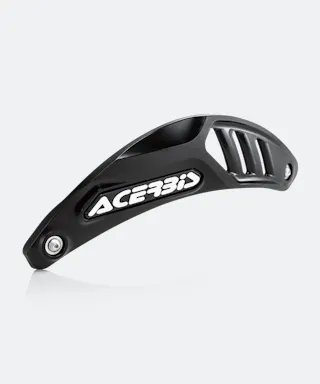
Acerbis Silencer Guard
$24.99
Originally: $31.99
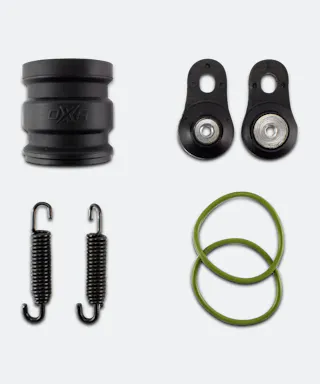
OXA Accesory Kit

$8.99
Originally: $9.99
OXA Silentblock Mounting For Exhaust Double Bracket

From
$47.99
Originally: $71.99
Polisport Armadillo 2-Stroke Exhaust Pipe Guard

$6.49
Originally: $6.99
OXA Stainless Steel Exhaust 80mm Spring

From
$179.99
Originally: $239.99
OXA Factory Two-Stroke Silencer

$1.49
Originally: $1.99
OXA Silencer Rubber Silentblock

$15.99
Originally: $25.99
Beta Tools Spring Hook

$5.99
Originally: $7.99
HGS 4T Exhaust Spring
$26.99
Originally: $39.99
Acerbis X-Exhaust Protector Black
From
$195.99
Originally: $279.99
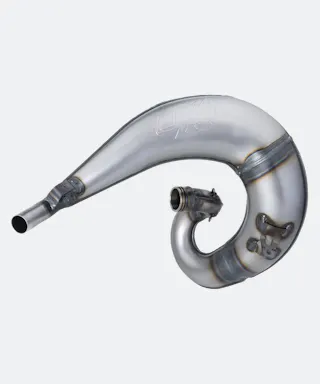
OXA Factory Exhaust Pipe
- super price
From
$104.99
Originally: $172.99
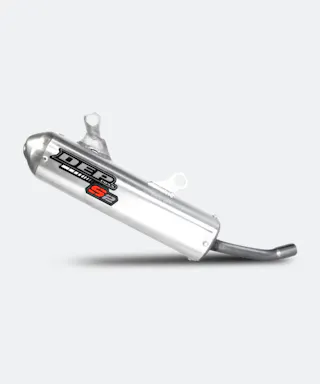
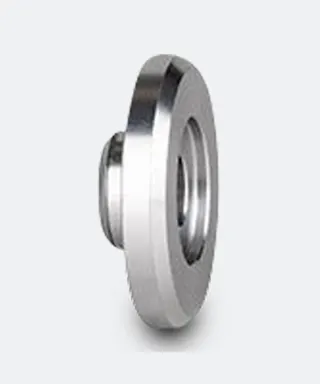
DEP Pipes Silencer
$5.25
Originally: $6.99
OXA Silencer Bushing Silentblock for OEM Silencer

$70.99
Originally: $79.99
SCAR Carbon Universal Exhaust Heat Protector

- super price
From
$218.99
Originally: $354.99
DEP Pipes Raw Exhaust Pipe

$1.49
Originally: $1.99
OXA Viton O-Ring For Exhaust

From
$194.99
Originally: $274.99
OXA Racing Finished Factory Front Pipe
- super price
From
$124.99
Originally: $334.99
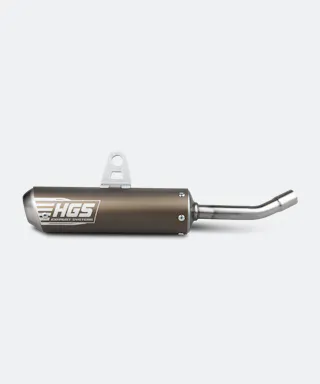
HGS 2-Stroke Silencer

$1.49
Originally: $1.99
OXA Front Pipe Rubber Silentblock

From
$118.99
Originally: $172.99
DEP Pipes Shorty Silencer
- super price
From
$109.99
Originally: $219.99
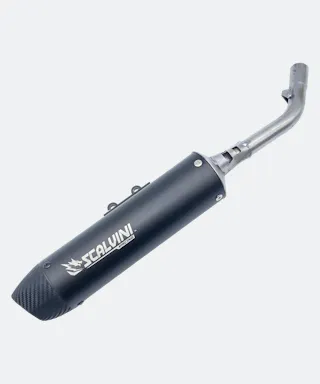
Scalvini Two-Stroke Silencer

From
$119.99
Originally: $157.99
OXA Carbon Exhaust Protector

- super price
From
$224.99
Originally: $409.99
HGS 2-Stroke Exhaust Pipe
From
$21.99
Originally: $52.99
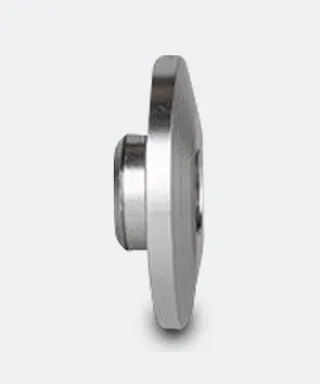
Polisport Armadillo Head Pipe Guard
$5.49
Originally: $6.99
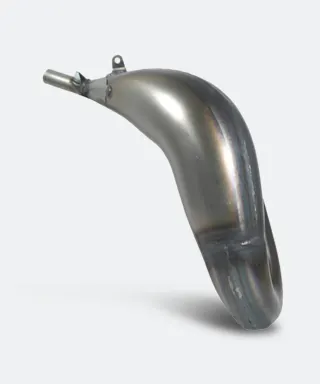
OXA Front Pipe Bushing Silentblock For OEM Pipe
- super price
From
$164.99
Originally: $464.99
Scalvini Racing Exhaust Pipe Steel

$51.99
Originally: $67.99
Polisport Armadillo Extreme Silencer Guard

From
$132.99
Originally: $172.99
DEP Pipes Shorty Silencer Blue

From
$139.99
Originally: $226.99
OXA Factory Silencer KR1 Edition

$161.99
Originally: $224.99
OXA Factory Silencer KR1 Special Edition

- super price
From
$61.99
Originally: $89.99
HGS Racing Carbon End Cap
Everything You Need to Know Before You Buy Exhaust Pipes
We all love the sound of a perfectly tuned exhaust system. And the right aftermarket exhaust system can make a ho-hum bike suddenly look and sound fantastic. But what else can aftermarket exhaust pipes do for your bike and what do you need to know before buying?
Why Buy Exhaust Pipes?
There are several reasons why you might want to replace your current exhaust pipes with new, aftermarket ones. For one thing, aftermarket exhaust pipes can give you more horsepower, and more torque. They can also distribute that power to more of the lower rpm, mid-range rpm, or high-revving rpm range areas – or the entire range. It all depends upon the design of the exhaust system.
Another big factor is weight. Usually, stock exhausts are very heavy. Aftermarket exhaust systems are much lighter, give it a better sound if fitted with a different muffler, and usually even increase fuel economy besides just power.
What are the Components of Exhaust Pipes?
Exhaust systems consist of a header, a collector, then a mid-pipe, then a muffler. The header attaches directly to the cylinder head. So, if your bike has two cylinders, it will have a header for each cylinder head. Then, those headers lead to the collector, and then to the mid-pipe. The mid-pipe is just that – the middle pipe between the header/collector and the muffler or silencer.
Do You Have to Re-Tune Your Bike?
The thing to keep in mind when buying a new exhaust system is that your engine is going to breathe much better than stock. But because the engine can now breathe better, that will change the fuel/air mixture. This can lead to your bike overheating which may cause engine damage. This is why you will need to either remap the ECU if your bike is fuel injected or get new jetting if your bike uses a carburetor.
It all depends upon what you want. If all you want is better sound and/or some less weight on your bike, then you could just buy a new aftermarket slip-on muffler. The advantage of this is that you won’t have to worry about tuning your bike. But the disadvantage is that it offers no increase in power or performance.
2-Stroke Versus 4-Stroke Exhaust Systems
Because of their shorter engine stroke cycle, 2-stroke engines are much more powerful than 4-strokes. Because 2-stroke engines pass much more fuel and air through them, they have large expansion chambers which, by their design, may offer more torque, horsepower, or both as compared to stock. Expansion chambers help to add back pressure to the cylinder combustion chamber where the fuel and air are ignited. The result is more power and efficiency.
The 4-stroke engine exhaust system pipes are smaller in diameter because less air passes through than a 2-stroke, but they also have smaller expansion chambers. Also, for 4-stroke street bikes, sometimes catalytic converters are added to the mid-pipe, and sensors too.
Why Not Just Run Straight Pipes?
Straight pipes allow for the most air to pass through the exhaust system, which means more horsepower, but they don’t offer any back pressure. What this means is much worse fuel economy and because there is no back pressure, less torque. Usually, the only time straight pipes are used is for drag racing. But it’s also much louder and not street-legal in most countries.
Materials Used In Exhaust Pipes
Each material has advantages and disadvantages. There is always a trade-off between weight, heat resistance, durability, and ease of manufacture. Sometimes, a combination of these metals is used in an exhaust system.
Stainless Steel: resists heat and corrosion well, and is easy to manufacture. But it doesn’t do that well with continual heat cycles.
Mild Steel: has high durability and is the least expensive, but it’s not that heat resistant.
Ceramic Coated Steel: has high heat resistance, is corrosion resistant and is very durable, but it requires complex manufacturing and it’s expensive.
Aluminum: Very lightweight, but weak compared to the other metals.
Titanium: Very strong, extremely high durability, and very lightweight, but it’s difficult to manufacture which translates to a much higher cost.
Other materials that may be used are chrome and carbon fiber.